 Air-cooled
iPollo G1 36 G/s
$9.56 income per day
- Hashrate, Power
- 36 G/s2,800 W
- Price
- $6,296
The total computing power mining Grin. When it grows, each machine earns a smaller share.
Right now · Network hashrate
3,803.1G/s
Hover or tap the line to read a day.
This week averaged 3,681.7 G/s, 0.4% below the 30-day average of 3,697.7 G/s.
The 30-day high was 4,163.1 G/s on Nov 14, 2026 and the low 3,456.6 G/s on Nov 1, 2026.
One G/s earns 22.7239 GRIN a day before fees and power.
Earnings use today’s network difficulty and coin price, a 0.0% pool fee and 100% uptime. Power is the price shown, all day. Hardware cost, pool luck and taxes are not included. Hosting under 10 machines adds a standing fee per miner. Not financial advice.
From $0.074 per kWh at 10–49 machines, power only. Your pool, your wallet.
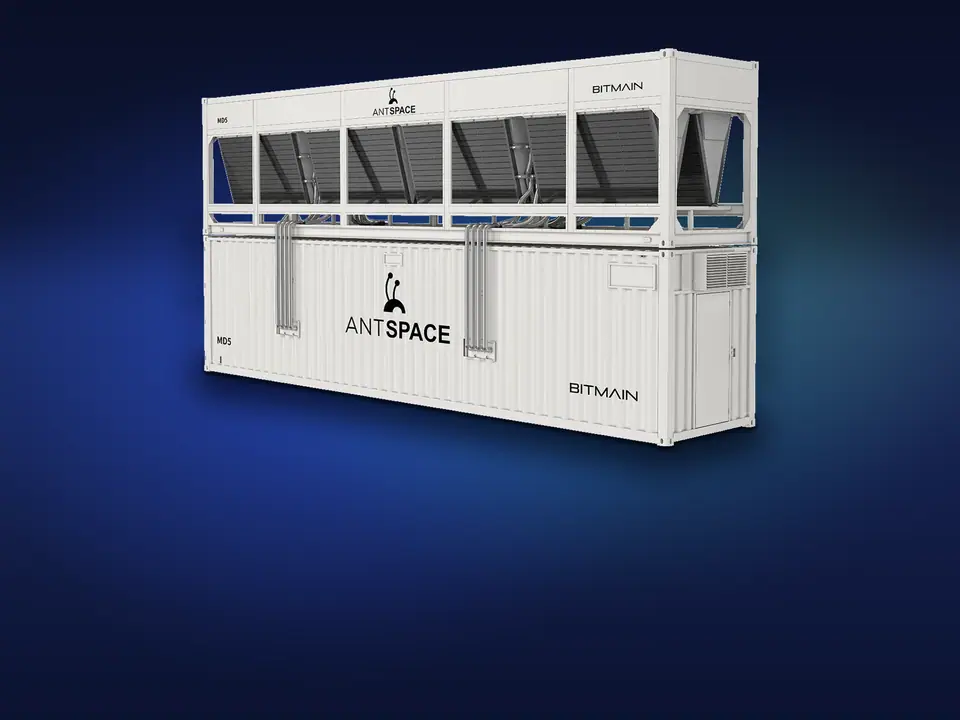
The Grin network hashrate is about 3,803.1 G/s right now. It moves through the day as machines join and leave.
Network hashrate, also written nethash, is worked out from the difficulty and how fast blocks arrive, so daily figures swing a little with luck.
Your machine’s share of each block is its hashrate divided by the network’s, so your daily coins follow the network: fewer when it grows, more when it eases. A growing network often goes with a higher coin price.
It went from 8,496.38 G/s on May 20, 2026 to 3,803.13 G/s on Nov 27, 2026, a change of −55.24%. The highest day in between was 8,739.90 G/s on Jun 3, 2026.