
















Getting started
How to mine Zcash
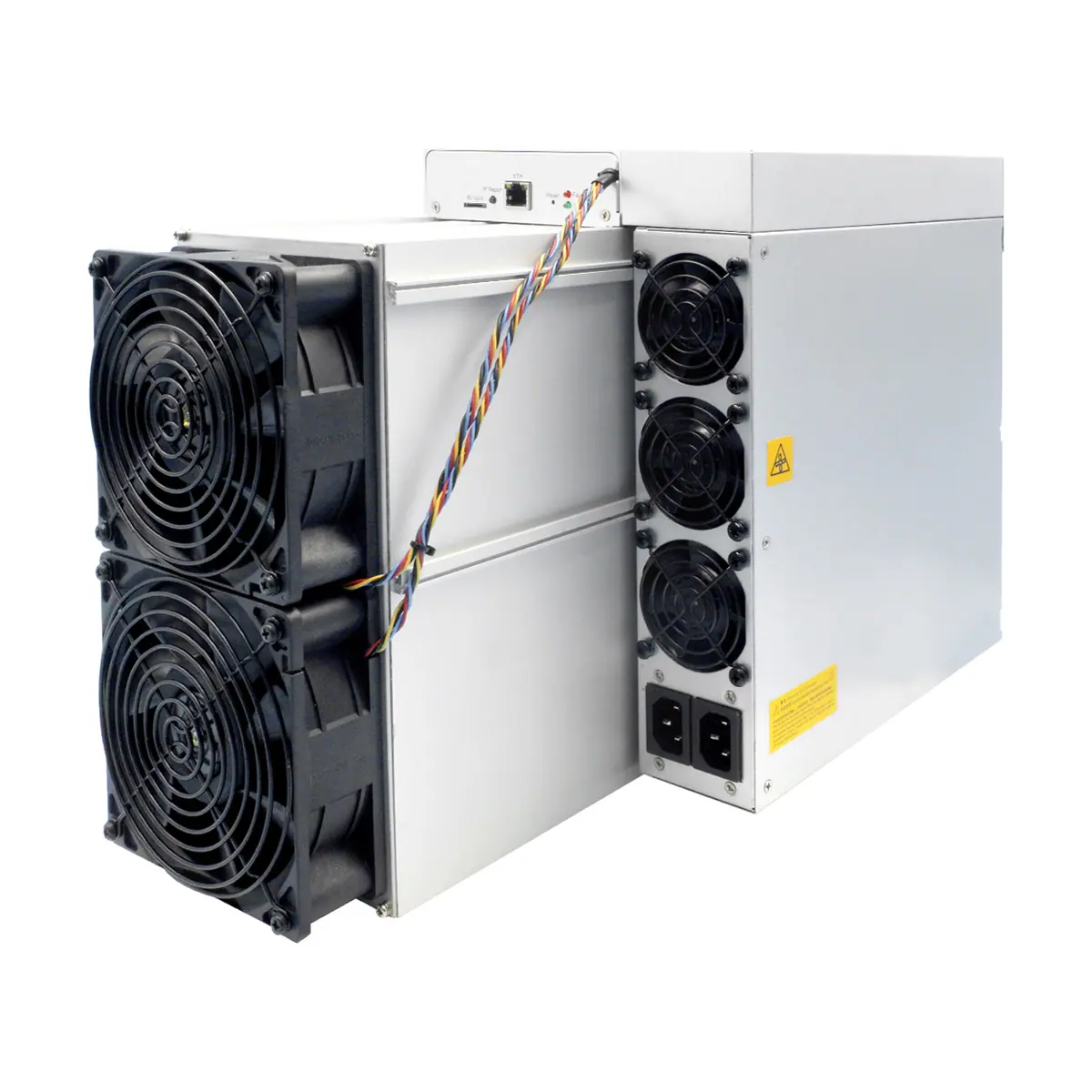
To mine Zcash you need an Equihash ASIC such as the Antminer Z15 Pro, a 200 to 240 V circuit, a Zcash address that starts with t and a pool. On 24 November 2026 a Z15 Pro earned…
Setup, power and wiring, pools, and running costs, in plain steps.
Getting started
To mine Zcash you need an Equihash ASIC such as the Antminer Z15 Pro, a 200 to 240 V circuit, a Zcash address that starts with t and a pool. On 24 November 2026 a Z15 Pro earned…
Buying guides
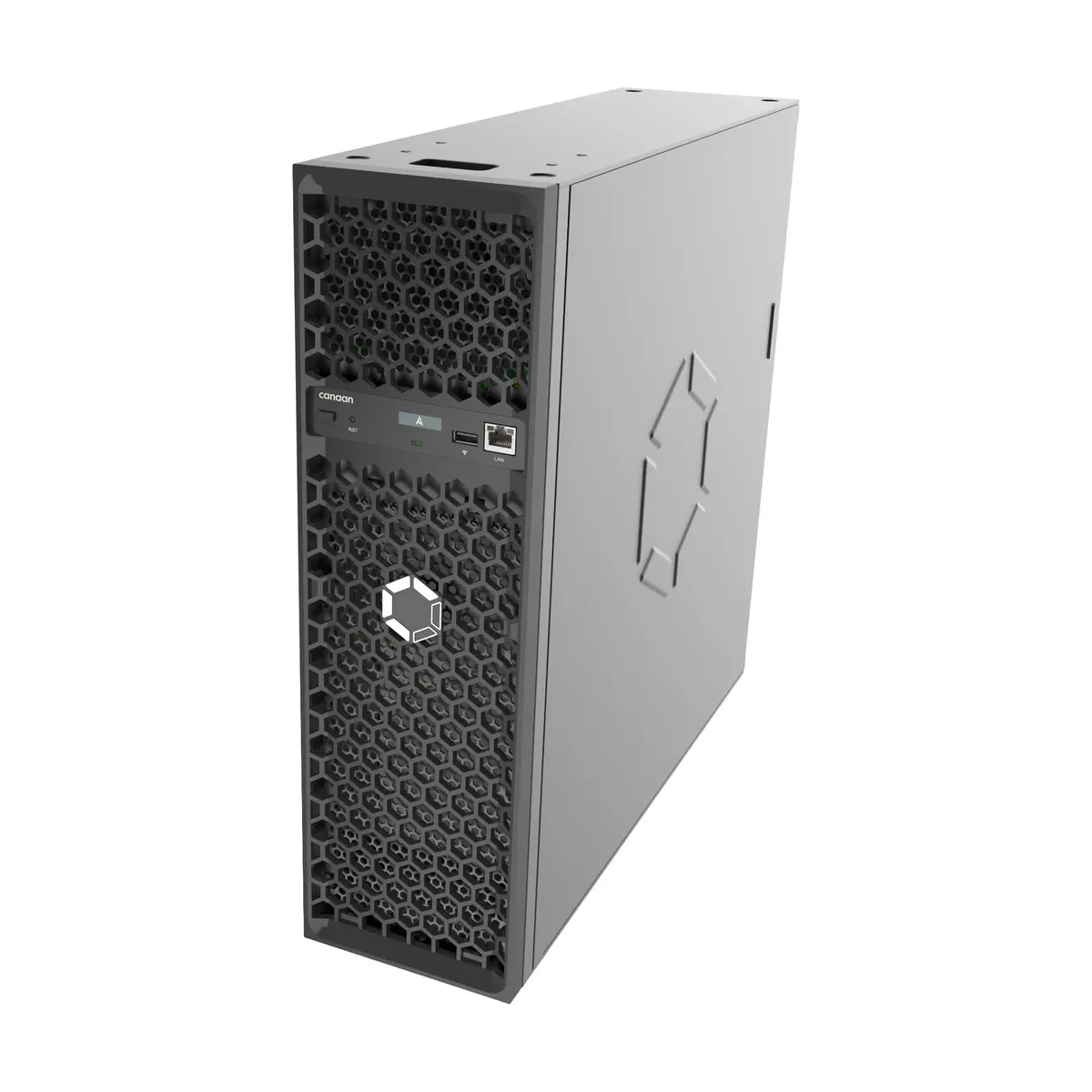
For most homes the best Bitcoin miner is the Avalon Nano 3S on a desk, the Avalon Mini 3 as a room heater, or the Avalon Q in a utility room. Full-size Antminers are at home in…
Getting started
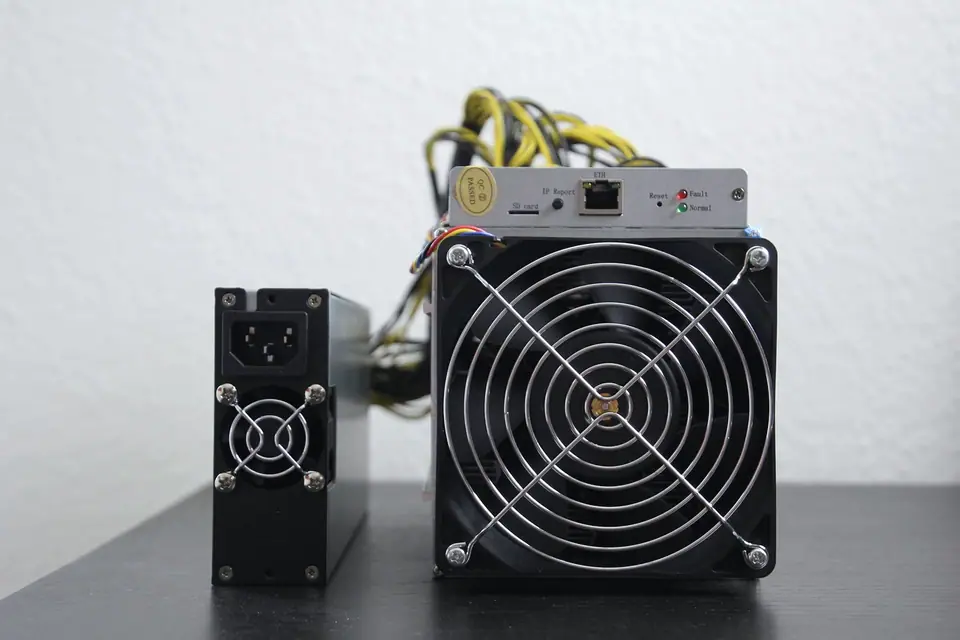
To mine Bitcoin you run an ASIC miner built for SHA-256, power it from a 220 to 240 V circuit, connect it to a mining pool and have the pool pay your own wallet. What you keep each…
Power and wiring
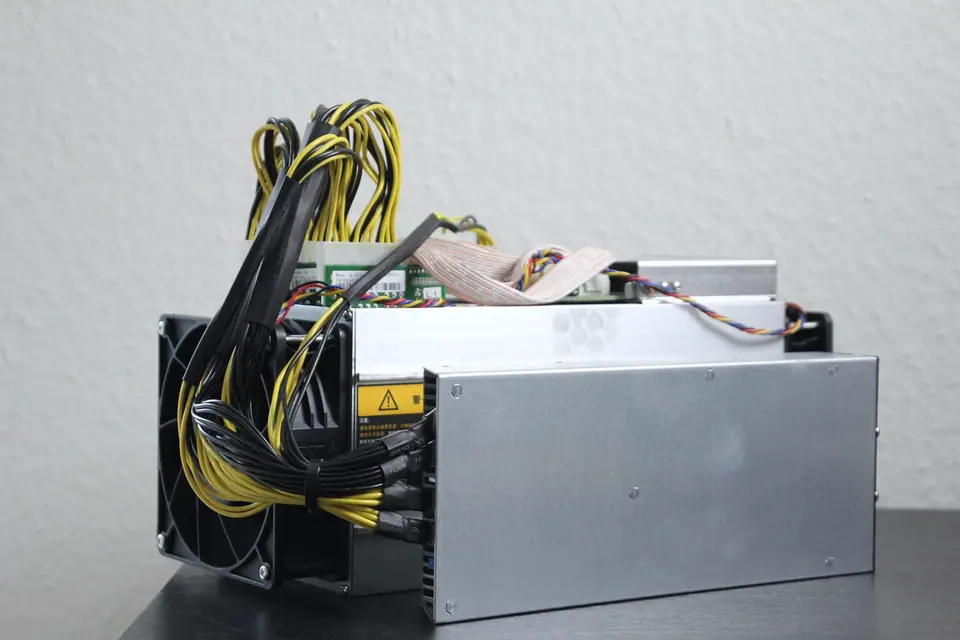
A full-size ASIC miner needs its own 220 to 240 V circuit. Divide the highest power the maker allows by the voltage, divide that by 0.8, and round up to the next breaker size: most…
Pick a miner that earns more per day than its electricity costs where you run it, connect it to a mining pool, and send the payouts to a wallet you control. Our guides cover each step, and the calculator shows what a machine earns before you buy.
Yes. Full-size ASIC miners are loud and usually need a dedicated 240 V circuit, so many people host them instead. Small home and solo miners are quiet and run from a normal outlet, but they earn far less.
Each model page lists its power draw in watts. A miner runs around the clock, so its daily use in kWh is its draw in kW times 24. Multiply that by your price per kWh to get the daily power cost.
With us, 10–49 machines pay $0.074 per kWh and nothing else. Smaller fleets pay a higher rate plus a standing fee per miner set in the contract. Talk to sales for a quote for your machines.